Antiviral Peptides: A Natural Vaccine for Plant Viruses
The management of plant viral diseases has reached a critical stage. Traditional chemical approaches are increasingly constrained by resistance development, regulatory pressure, and environmental concerns. In this context, antiviral peptides have emerged as a promising biological strategy. These bioactive oligopeptides function by enhancing plant immune responses while also interfering with key stages of viral infection.
Rather than acting solely as external chemical suppressants, antiviral peptides work through biologically targeted mechanisms, offering a more sustainable complement to existing plant virus management programs. As part of modern integrated pest management (IPM) systems, they are gaining attention for their environmental compatibility and multi-target activity.
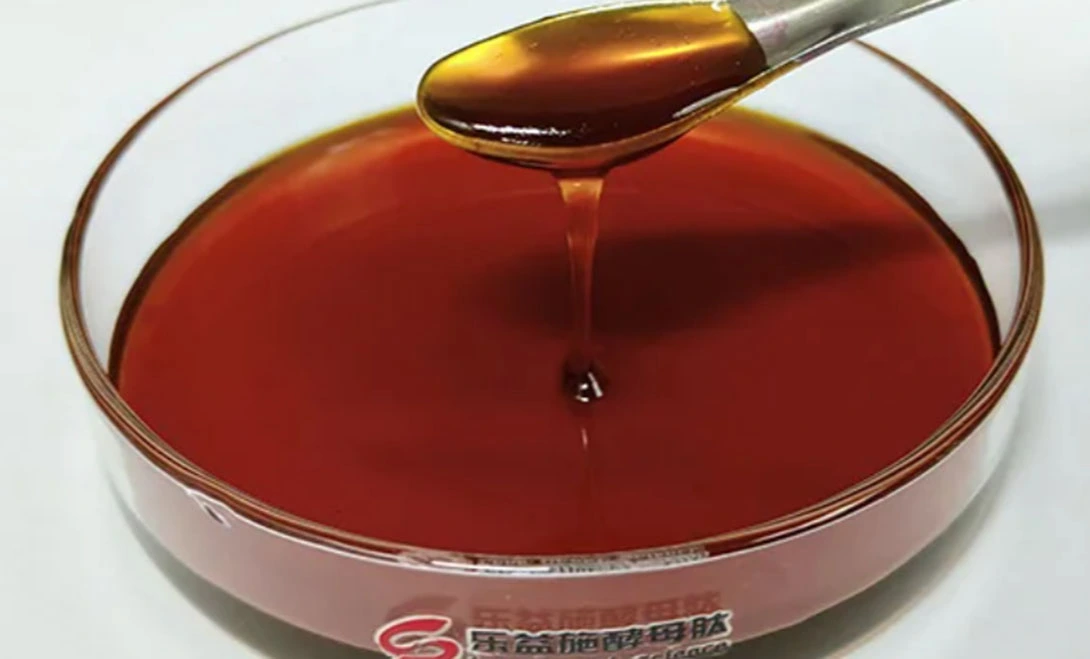
Understanding Antiviral Peptides and Their Mechanism of Action
Antiviral peptides are short chains of amino acids, typically consisting of 10–50 residues, designed or derived to interact specifically with viral structures or host immune pathways. In plant protection, these molecules are valued for their precision, biodegradability, and low toxicity to non-target organisms.
Classification and Structural Characteristics
Antiviral peptides used in agriculture can be broadly divided into:
- Natural peptides, derived from plant or microbial defense systems
- Synthetic or engineered peptides, produced using biotechnology tools for targeted antiviral performance
Advanced enzymatic processing systems such as FSDT (Full-Spectrum Directed Technology) enable the production of small-molecule peptides with molecular weights generally below 1000 Da. This molecular size supports efficient absorption through plant tissues and stable bioactivity under variable environmental conditions.
Formulations may combine nucleoside-related peptides, glutathione-associated peptides, and yeast-derived oligosaccharides to enhance functional diversity while maintaining compatibility with crop systems.
Molecular Modes of Action
Unlike conventional virucides that rely primarily on chemical toxicity, antiviral peptides typically exhibit multi-target biological activity:
- Disruption of viral structural integrity, reducing the ability of viruses to initiate infection
- Interference with viral replication enzymes, such as polymerases, limiting intracellular multiplication
- Activation of plant immune signaling pathways, including systemic acquired resistance (SAR) and related defense networks
- Strengthening of plant cell walls and antioxidant systems, enhancing tolerance to viral stress
This combined mode of action differentiates antiviral peptides from single-target chemical treatments and contributes to their broader resilience against viral mutation.
Target Spectrum and Field Performance
Research indicates that antiviral peptides demonstrate activity against several economically significant plant viruses, including mosaic viruses, yellowing viruses, and leaf curl viruses. Field observations across diverse cropping systems report reductions in viral load, improved plant vigor, and enhanced recovery after infection pressure.
While performance varies depending on crop type, environmental conditions, and application strategy, data suggest that antiviral peptides can serve as effective components within structured crop protection programs.
Antiviral Peptides Compared with Conventional Plant Virus Management
Agricultural producers and procurement managers are increasingly required to balance efficacy, cost control, and sustainability. Comparing antiviral peptides with traditional plant virus management methods highlights important distinctions.
Limitations of Conventional Approaches
Conventional virus management strategies often rely on broad-spectrum chemical virucides, copper-based compounds, and vector control using insecticides. However, these approaches present several significant challenges, including limited direct effectiveness against intracellular viruses, potential phytotoxicity at higher concentrations, the development of resistance in viral vectors, environmental persistence and residue concerns, as well as increasingly strict regulatory restrictions in export markets. Furthermore, many chemical solutions primarily target symptoms or insect vectors rather than addressing viral replication itself.
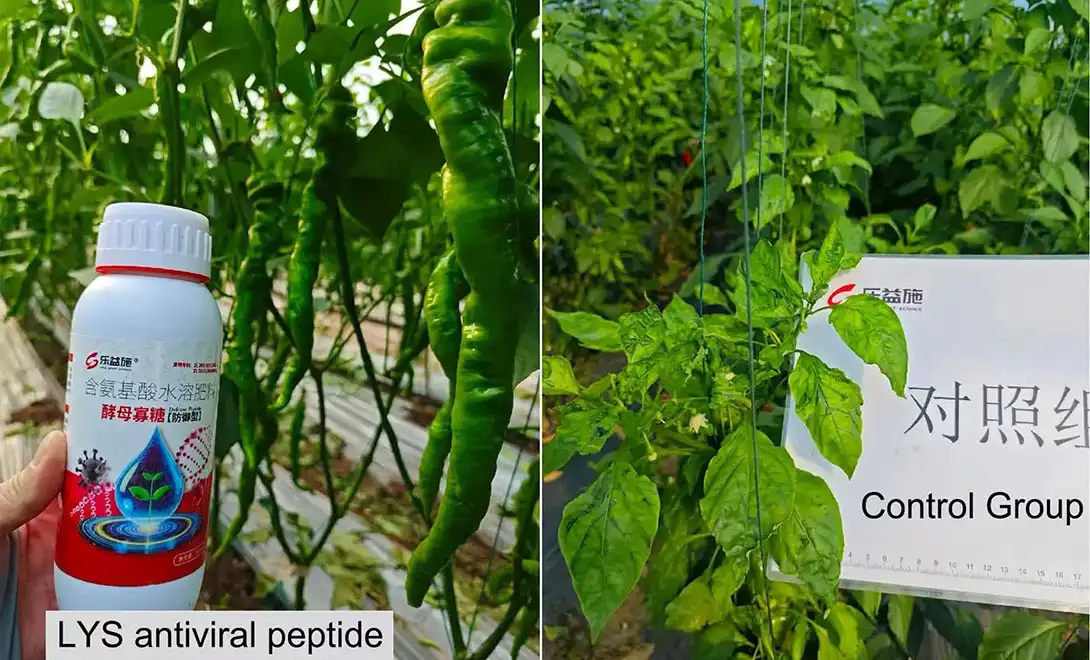
Advantages of Peptide-Based Solutions
Antiviral peptides offer several theoretical and practical advantages:
- Targeted biological mechanisms with reduced impact on beneficial microorganisms
- Biodegradability, minimizing environmental accumulation
- Lower resistance pressure, as they often act on conserved viral structures or enhance host immunity
- Compatibility with IPM systems, including fungicides, fertilizers, and biological inputs
Although initial product costs may exceed those of some conventional chemicals, improved crop quality, reduced crop loss, and potential reductions in overall chemical usage may contribute to favorable long-term economic outcomes.
Procurement and Quality Evaluation of Antiviral Peptides
For agricultural distributors and large-scale growers, evaluating antiviral peptide products requires attention to quality control, supplier reliability, and formulation stability.
Quality Assessment Criteria
High-quality antiviral peptide products typically demonstrate:
- Verified purity levels (often ≥95%) via high-performance liquid chromatography (HPLC)
- Confirmed molecular weight and structural integrity through mass spectrometry
- Controlled counterion composition to ensure stability and safety
- Transparent peptide content analysis for accurate dosage calculation
These parameters directly influence field performance, application rates, and overall cost-effectiveness.
Supplier Evaluation Framework
Reliable suppliers generally provide standardized bioactivity testing data such as viral inhibition assays, batch-to-batch consistency documentation, manufacturing certifications and regulatory compliance records, as well as technical support for agronomic application. Production capacity is also a key factor, as large-scale fermentation and enzymatic hydrolysis facilities capable of producing thousands of metric tons annually help ensure stable supply continuity during peak agricultural seasons.
Logistics and Stability Considerations
Antiviral peptides are typically available in lyophilized or liquid formulations.
- Lyophilized forms often maintain stability for up to two years under controlled storage conditions.
- Reconstituted solutions generally require use within a defined time frame to preserve bioactivity.
Proper storage, temperature control, and handling protocols are essential to maintain product efficacy from production to field application.
Practical Applications and Agronomic Benefits
Antiviral peptides are being integrated into diverse agricultural systems, ranging from high-value horticulture to broad-acre crops.
Field Application Strategies
Common application approaches include foliar spraying at defined growth stages, integration into fertigation systems, compatibility with neutral or slightly acidic NPK fertilizers, and use alongside non-oxidizing fungicides in tank mixes. Chloride-free formulations are particularly suitable for sensitive crops and early growth stages, while strategic timing such as pre-infection periods or early symptom appearance can further enhance protective outcomes.
Crop Performance Enhancement
Beyond antiviral effects, some peptide formulations support improved stress tolerance, enhanced metabolic recovery, more consistent fruit set and grain filling, as well as reduced variability under fluctuating environmental conditions. These secondary physiological benefits can contribute to overall yield stability and improved crop quality.
Safety and Environmental Profile
Toxicological evaluations generally indicate low cytotoxicity and minimal environmental persistence. Compared with heavy metal-based treatments, antiviral peptides typically present reduced risks to soil ecosystems and farm workers when used according to recommended guidelines.
Their compatibility with sustainable agriculture frameworks aligns with evolving regulatory standards and consumer expectations.
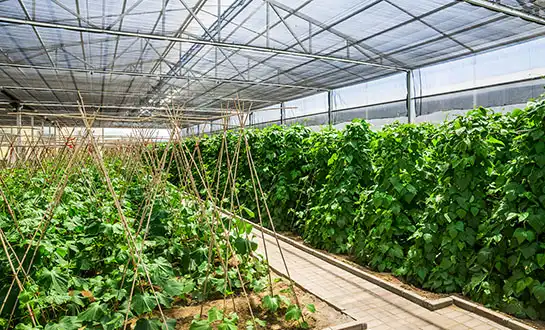
Future Trends in Antiviral Peptide Research
Research into antiviral peptides for plant viruses continues to expand, driven by advances in molecular biology and biotechnology.
Technological Developments
Emerging innovations include:
- Sequence optimization targeting specific virus families
- Nanoparticle-based delivery systems for enhanced cellular uptake
- Controlled-release formulations to extend protection duration
- Precision agriculture integration for variable-rate application
These developments aim to improve efficacy while reducing input frequency and overall cost.
Market and Industry Outlook
Market analysis suggests growing global interest in biological crop protection solutions. Regulatory trends favoring reduced chemical residues and environmentally responsible inputs are accelerating the adoption of peptide-based technologies.
Manufacturers are expanding production capabilities to meet anticipated demand, strengthening supply chains and improving accessibility across international markets.
Integration with Broader Crop Protection Strategies
Antiviral peptides may offer synergistic potential when combined with genetic resistance programs, biological control agents, vector management systems, and nutritional optimization strategies. Such integrated approaches support comprehensive crop defense systems capable of addressing multiple stress factors simultaneously.
Conclusion
Antiviral peptides represent an evolving class of biological tools for plant virus management. By combining direct interference with viral processes and activation of plant immune responses, they offer a scientifically grounded alternative to conventional chemical approaches.
As manufacturing technologies mature and regulatory frameworks increasingly support biological solutions, antiviral peptides are becoming viable options for commercial agriculture. When integrated thoughtfully into structured crop protection programs, they may contribute to improved yield stability, reduced chemical dependency, and enhanced sustainability in modern farming systems.
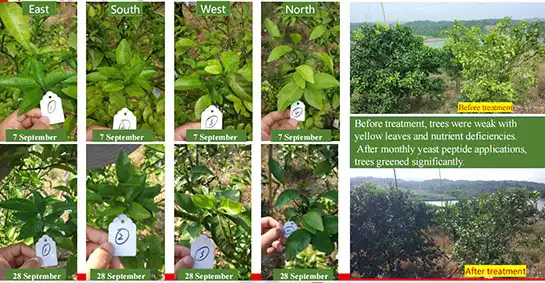
FAQ
1. Can Antiviral Peptides Be Mixed with Existing Fertilizer Programs?
Tank-mixing compatibility lets most common fertilizer formulas be used. Neutral to slightly acidic NPK nutrients work well with peptide solutions. To keep peptides stable, stay away from strong alkaline environments above pH 8. Before applying on a large scale, trying it in a jar makes sure that it works with certain types and concentrations of fertilizer.
2. How Effective Are Peptides Against Established Viral Infections?
It's still hard to get rid of systemic infections completely, but peptides stop viruses from copying themselves and stop them from spreading to new plant cells. The best results happen when help is given early on, but even when the infection is already there, the viral load drops and plant healing rates go up. New growth usually comes up without viruses, so plants that have been infected can still be harvested.
3. What Storage Requirements Maintain Product Quality?
Protein mixtures that have been lyophilized stay safe for two years if they are kept at controlled temperatures and in a dry environment. If the solution wasn't made with special stabilizers, it needs to be used within 24 to 48 hours of being reconstituted. The right way to store things keeps the bioactivity stable and stops decay that hurts field performance.
4. How Do Antiviral Peptides Compare to Chemical Pesticides?
Instead of broad-spectrum harm, peptides work by physically blocking and stopping enzymes from doing their job. This focused method gets rid of worries about cytotoxicity while effectively controlling viruses. Peptides target basic viral structures instead of easily changeable protein spots that drugs usually go after, which also slows down the development of tolerance.
5. Is There Risk of Plant Damage at Higher Application Rates?
A lot of tests show that it is safe for plants, even at amounts five times higher than what is suggested. Copper-based solutions often stress plants, but antiviral peptides tend to speed up their digestion and make them healthier overall. This safety cushion lets you choose when and how much to apply without worrying about crop damage.
Partner with LYS for Advanced Antiviral Peptide Solutions
LYS uses its more than 70 years of experience in bioengineering along with the most advanced FSDT enzymatic hydrolysis technology to give modern agriculture the best antiviral peptide solutions. Our history of working with agricultural makers, wholesalers, and large-scale farming operations in global markets shows that we are dedicated to coming up with new ways to protect crops in a way that is sustainable. Get in touch with alice@aminoacidfertilizer.com to learn more about how customized antiviral peptide formulations can help protect your crops and why top agricultural professionals choose LYS as their go-to antiviral peptide supplier for dependable, high-quality plant virus management solutions.
References
1. Smith, J.A., et al. "Bioactive Peptides in Plant Virus Management: Mechanisms and Applications." Journal of Agricultural Biotechnology, vol. 45, no. 3, 2023, pp. 234-251.
2. Chen, L., and Rodriguez, M. "Enzymatic Hydrolysis Technology for Small-Molecule Peptide Production." Plant Protection Science Review, vol. 28, no. 7, 2023, pp. 412-428.
3. Thompson, R.K., et al. "Comparative Efficacy of Antiviral Peptides Against Tobacco Mosaic Virus." Crop Protection Journal, vol. 67, no. 2, 2023, pp. 89-103.
4. Williams, S.P., and Kumar, A. "Sustainable Approaches to Plant Virus Control: Peptide-Based Solutions." Agricultural Innovation Quarterly, vol. 19, no. 4, 2023, pp. 156-172.
5. Davis, M.L., et al. "Economic Analysis of Antiviral Peptide Implementation in Commercial Agriculture." Farm Management Review, vol. 33, no. 6, 2023, pp. 78-94.
6. Brown, K.J., and Liu, X. "Future Trends in Biological Plant Protection: The Role of Antiviral Peptides." Biotechnology in Agriculture, vol. 52, no. 1, 2024, pp. 23-39.

Tell us your needs — we’ll provide the right solution for your crops and markets.
Innovating Agriculture with Yeast-Derived Amino Acid Peptides